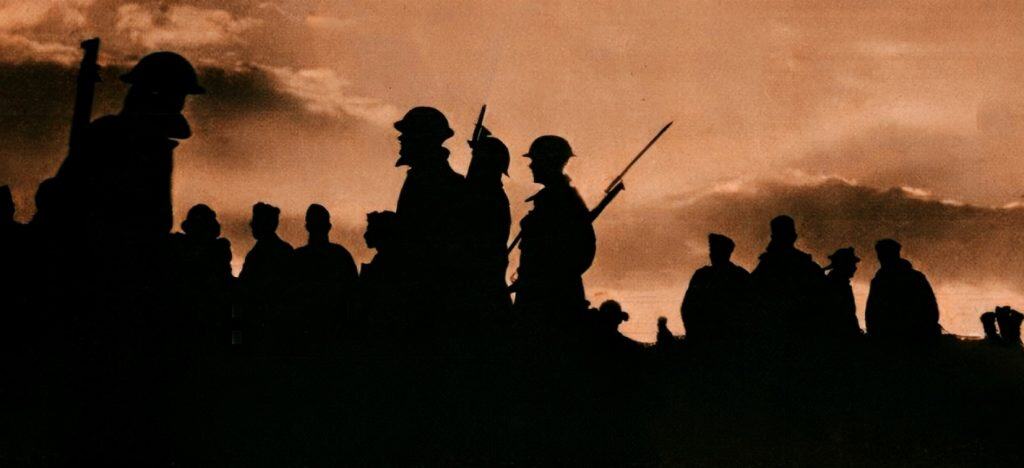
We were good at waging war, lousy at waging peace. And it showed.
It’s ironic that this episode of the long-running Public Affairs radio program “Town Meeting Tonight” ran on November 14, 1941, entitled “What kind of peace must we have?”, some three weeks before America was dragged into the war as a result of the Japanese attack on Pearl Harbor on December 7th.
The general consensus of opinion was that America’s involvement in a shooting war was pretty much a fait accompli, only the day and hour weren’t specified. We had been supplying Britain with arms and supplies for several months and tensions between Japan and the United States had escalated due to Japan’s imperial ambitions in Asia, particularly after its invasion of Manchuria in 1931 and subsequent aggression in China. Economic sanctions imposed by the U.S., including an oil embargo, pushed Japan to plan a surprise attack on Pearl Harbor to neutralize the U.S. Pacific Fleet and secure resources in Southeast Asia.
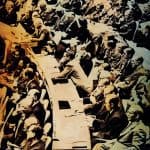
It was still debated over whether the inevitability of war could be averted. On this program such diverse personalities as Norman Thomas of the American Socialist Party and Dorothy Thompson, the writer and staunch supporter of FDR engaged in a lively debate over whether or not there actually could be peace and in what form would that take. America, it was universally agreed upon, was wonderful at making war, but terrible at making peace – something that has plagued America ever since.
There was no concrete solution to the issue of waging peace. That was something which would take a lot more than one hour to arrive at. But you get the idea that the average American was weary of the possibilities of another catastrophic war, just as there had been, less than 20 years earlier.
Here is that episode of America’s Town Meeting for November 14, 1941 as presented over the Red Network of NBC.