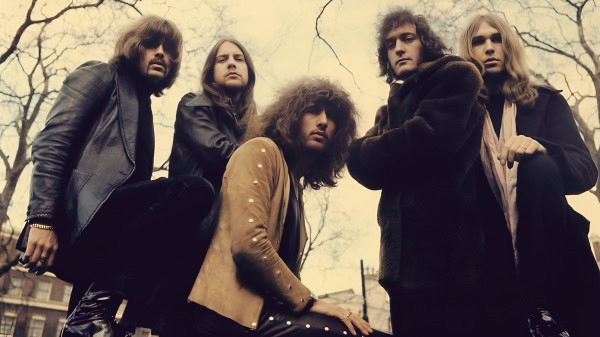
In case you aren’t familiar, The Pretty Things were considered rowdier and more hell-raising than The Rolling Stones during the early years of the British Invasion. Ironic, since had there not been a few personnel changes early on, The Rolling Stones might have been The Pretty Things and The Pretty Things vice-versa.
Luck of the draw you might say, or the luck of good management. In any case, The Rolling Stones are institutions where The Pretty Things are considered part of the backbone that made The British Invasion the complete game-changer in music from 1963 on.
Truths to tell, The Pretty Things did not have the most supportive record company (Philips), certainly here in the U.S. which would explain the considerable lack of top-40 exposure for singles that were clearly several notches above much of what was coming out at the time.
But all those roadblocks aside, The Pretty Things were one of the best bands of that initial crop, and maybe it was their somewhat surly demeanor that caused the powers-the-be to step aside and quietly let them go someplace else.
By the time this session, recorded for French TV and part of a documentary which was heavy on the “acid philosophy” with simultaneous French translation appeared, The Pretty Things had gone through several changes, most notably a switch in record companies to the more progressive and forward thinking Harvest Records and a total immersion in Psychedelia which yielded a considerable number of classic recordings and finally got them the FM Underground exposure in the U.S. they lacked back in 1964.
Although this session is pretty raw in places with vocals getting a little creaky in spots, the overall effect is a glimpse of a band still very vital and evolving in ways that would serve them well into the mid-70s when they began their association with Led Zeppelin’s boutique label, Swan Song.
If you missed them during this period here’s a chance to catch up. I would suggest though, that you dig through and get their Harvest era and later albums for a better idea of what they were like in the studio during this phase of their careers.
Still, it’s history and a little information is always useful.
Press Play and give a listen.