
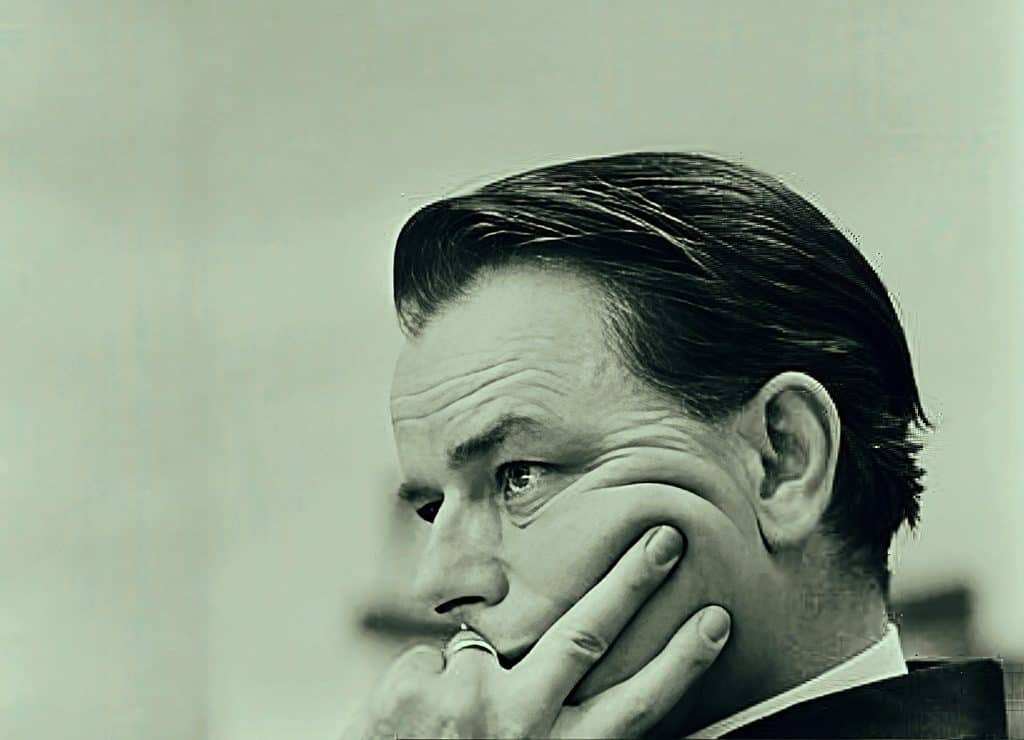
During the constitutional upheaval of 1974, as the Watergate scandal reached its climax, Senator Robert C. Byrd of West Virginia emerged as one of the most measured and principled voices in the United States Senate. His reaction to President Richard Nixon’s impending impeachment and ultimate resignation was shaped by a deep respect for constitutional procedure, due process, and the balance between justice and stability.
Unlike many members of Congress who openly demanded Nixon’s resignation once the “smoking gun” tape became public in early August 1974, Byrd resisted such calls. He feared that a forced resignation would circumvent the very constitutional mechanisms designed to resolve presidential misconduct. Byrd believed that impeachment was not merely a political weapon but an essential constitutional process that should be allowed to run its full course, ensuring both accountability and legitimacy in the eyes of the American people.
On August 7, 1974, just one day before Nixon announced his resignation, Byrd issued a radio statement in which he urged that “talk of resignation cease.” His call was not a defense of Nixon but a defense of the Constitution. Byrd argued that if Nixon resigned before the House of Representatives completed its impeachment proceedings and the Senate had a chance to conduct a trial, the result would be an unfinished reckoning. Such an outcome, he believed, would only convince Nixon’s supporters that the President had been driven from office by political enemies, leaving the nation divided and disillusioned.
Byrd’s insistence on following due process also reflected his concern for precedent. He warned that allowing resignation to substitute for impeachment would weaken future accountability by implying that a president could escape constitutional judgment simply by leaving office. This, he said, would set a dangerous standard for executive power. Byrd emphasized that the Senate, as an institution, had a solemn duty to uphold the Constitution even in times of turmoil.
At the same time, Byrd rejected any notion that Nixon should be shielded from legal responsibility once he left office. He opposed efforts to grant the President immunity from prosecution, maintaining that the rule of law applied equally to all citizens, including former presidents. In his view, any decision about criminal liability should rest with the courts, not Congress or the White House.
When Nixon ultimately resigned on August 9, 1974, Byrd acknowledged that the resignation had, in effect, cut short the impeachment process. Still, he urged the nation to “breathe again” and begin the process of healing after two years of political crisis. While respecting the new President Gerald Ford’s call for unity, Byrd remained wary of closing the book too quickly on the legal and moral questions raised by Watergate.
Senator Robert Byrd’s response to Nixon’s downfall exemplified his constitutional conservatism and institutional loyalty. He neither joined the partisan chorus demanding resignation nor excused Nixon’s actions. Instead, he stood firmly on the principle that America’s strength lay in adhering to the rule of law, even when the process was painful. His stance in 1974 underscored a conviction that the Constitution must always outlast the crises—and the men—who test it.
Here is his appearance on ABC Radio’s Issues and Answers from July 28, 1974 – a time when America was busy holding its breath.