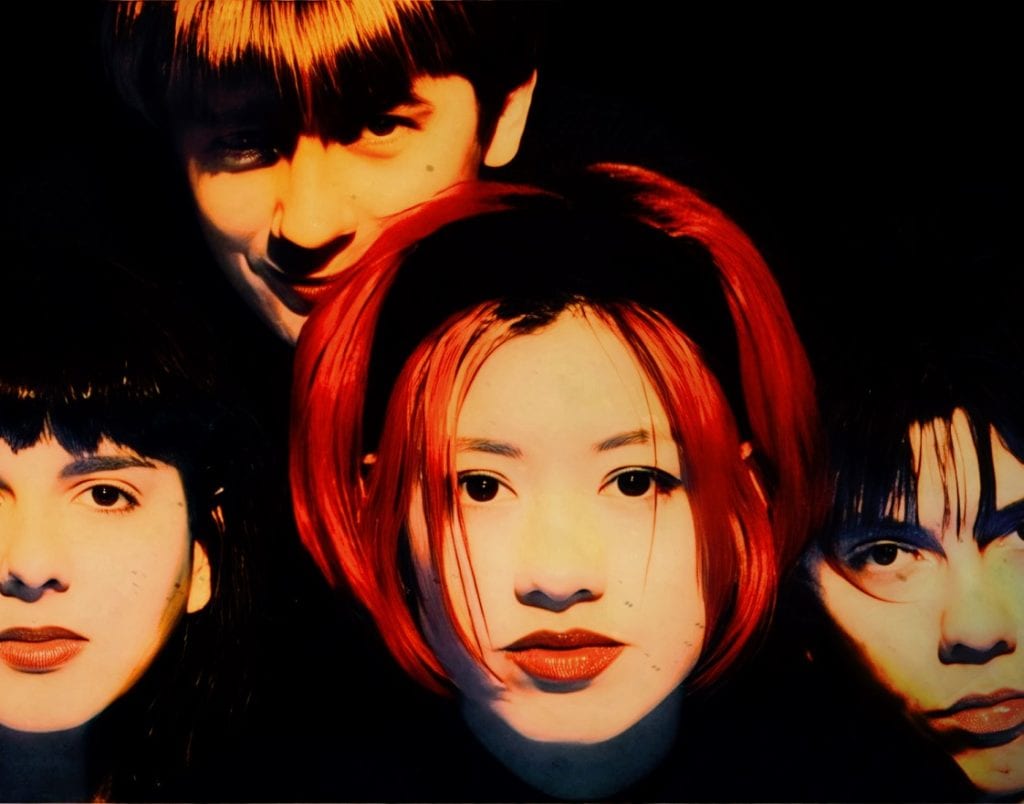
Lush – recorded live at The Wiltern Theatre on December 6, 1990
Lush for a Monday night. Recorded during their first American tour, opening for The Cocteau Twins and welcomed with open arms.
In the late 1980s, if you kept your ears to the ground and took some time to dial in some of the more forward-thinking College FM stations around the U.S. you would know something was going on. If you had a large record store in your town (a city like L.A., for instance) and they had an imports section, you would notice a lot of new and interesting music in the air. It was wildly evocative and there was something totally free about it – it was engaging music and it was pointing in the direction of something new arriving.
Because America likes to label things, this new Music got labeled Shoegaze, Brit-pop and Dream-pop – and whether or not the labels stuck, that’s who they were and Lush was one of the key proponents of this new music.
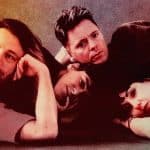
Started in 1987, Lush were initially named the Baby Machines (after a line in the Siouxsie and the Banshees song “Arabian Knights“), with a line-up of Meriel Barham (vocals), Anderson (guitar, vocals), Berenyi (guitar, vocals), Steve Rippon (bass guitar) and Chris Acland (drums). Their influences were diverse; they were inspired by Cocteau Twins, My Bloody Valentine, Siouxsie and the Banshees, the Beach Boys, the Byrds and the garage rock scene of the Nuggets series.
Anderson and Berenyi had been school friends, having known each other since the early 1980s, and together published the Alphabet Soup fanzine. In 1986, Anderson joined the Rover Girls as bass guitarist and Berenyi joined the Bugs, also as a bass guitar player. Neither band lasted long, and in 1987, they joined Barham and Acland in the Baby Machines. Rippon joined shortly thereafter and the band members decided on a change of name to Lush, making their live debut at the Camden Falcon on 6 March 1988. Barham left the band and later joined Pale Saints. Berenyi then took over on lead vocal.
In 1989, the band signed to 4AD Records and released their first recording, Scar, a six-track mini-album. Critical praise for Scar and a popular live show established Lush as one of the most written-about groups of the late 1980s/early 1990s UK indie scene. Anderson told Everett True in Melody Maker, “I remember when I couldn’t play, I wasn’t in a band, didn’t know anyone else who could play, and now we’ve got a record out on 4AD. I sometimes find it impossible to come to terms with what’s happening.”[7]
Not long after, the music press tagged them with the “shoegazing” label. The following year, the EPs Mad Love (produced by Robin Guthrie of Cocteau Twins) and Sweetness and Light (produced by Tim Friese-Greene) were released. All three releases were eventually combined into the Gala compilation album, which was produced mainly for the US and Japanese markets. The band recorded a live session for John Peel‘s BBC Radio 1 show in 1990 and contributed a cover version of “Chirpy Chirpy Cheep Cheep” later that year to the anti-poll tax album Alvin Lives (In Leeds).
The band’s profile was raised by extensive touring, including an appearance at the Glastonbury Festival in June 1990 and tours of Japan in late 1990 and the US (with Ride). Preceded by the Black Spring EP issued in October 1991, Lush’s first full-length album of completely new material, Spooky, was released in January 1992. Again produced by Guthrie, Spooky featured a sound very similar to Guthrie’s band Cocteau Twins, with walls of sound and a great deal of guitar effects. Reviews were mixed and critics of the album held that Guthrie’s production brought the sound away from the band’s original creative vision, although it sold well, reaching No. 7 in the UK Albums Chart. The album was preceded by the band’s first UK top 40 single, “For Love”, which was partly re-recorded and remixed by Mark Freegard. He also produced the single’s B-sides: the original recording of “Starlust”, Wire cover “Outdoor Miner” and the only Lush track with lead vocals by Anderson, “Astronaut”. Gil Norton remixed “Superblast!” for the Japanese single release.
Sadly, things took a dire turn in 1996 when founding member and drummer Chris Acland committed suicide – leaving the rest of the band in a state of shock and finally pulled the plug in 1998.
Back back to the first American tour and all the energy and excitement that went along with it.
The recording is wonderful and there’s no excuse not to Press Play and drift off to 1990.