
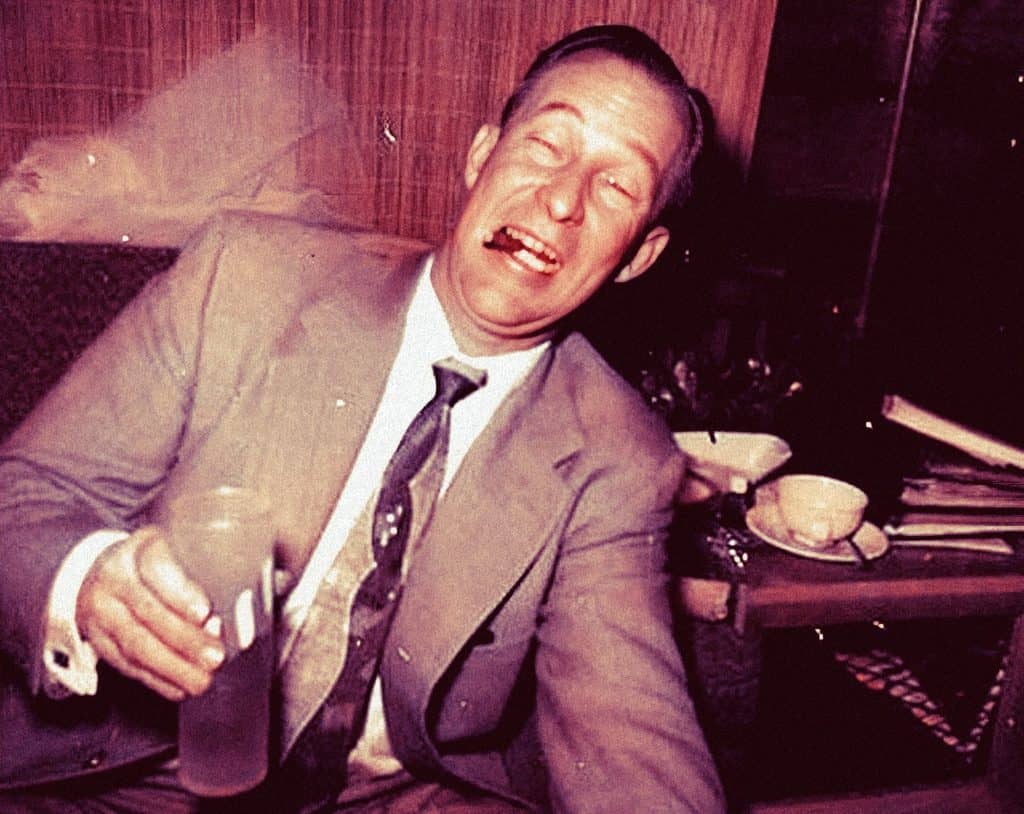
Well, here we are; Monday – the day after Super Bowl. If you are like anybody in my neighborhood you are no doubt wondering what happened, where are you, what did you say, what did you do and why do you feel like you’ve been dead for more than 24 hours? Dehydrated, sleeping in your clothes are wondering where your clothes are. What is that strange smell? Why can’t you open your eyes without screaming in pain?
If you’re like a lot of people, this doesn’t happen all the time – in fact, it happens seldom. And if this is the first time you got this drunk, you won’t be doing it again any lifetime soon – alcohol is no friend of yours and you’re staying away like the plague.
But if you’re like a lot of other people, this is your normal Monday – you either throw up – comb the freezer for any leftover Vodka – slosh it down while you’re attempting to stand in the shower and tell yourself you did it again, it wasn’t your plan and you swear, you’re never-ever doing that again. Honest.
Until 5 o’clock rolls around – or noon – or breakfast – anytime you made a plan and quickly forgot you made it.
That’s called being an Alcoholic and it describes the typical day for the person who hates what their life has become but can’t seem to stop where their life is going.
There are millions just like you – there have always been. They are everywhere and they are all over the world. Even in places where alcohol is forbidden.
In 1950 it became the problem people talked about. Before that, they didn’t. The Alcoholic was relegated to “crazy relative” status and you were either locked up or quietly left to die of Liver failure or wet brain or any one of a number of household or automobile accidents. When mentioned, the relative (or friend) would roll their eyes and either mutter something under their breath or make one of those “oh . . .you know” excuses.
In 1950 Alcoholics Anonymous was gaining a presence in American society. A little over 10 years old at the time, AA was a thought, an idea, a last-best hope. To many who suffered the disease of alcoholism, it was the only thing that worked and it was living proof to families, employers and friends that it was no longer something to be buried or covered in shame.
This documentary, part of the CBS Radio Series The People Act, was co-produced by The Rockefeller Foundation and was aimed at getting the message across to the millions who needed it most. Since AA is an anonymous program, looking at the people involved was pretty bold at the time. It had only been done once before, by way of a Saturday Evening Post article in the 1940s – but even then, it let people know that something like AA existed – because at the time, many did not.
Over the years and the decades since this was first broadcast, Alcoholics Anonymous has branched out into many addictions and it’s probably less anonymous now than it was in 1950. Although some stigmas still exist, the shame is less prevalent now and the desire to get the alcoholics life repaired is more crucial than ever – with such lethal drugs as Fentanyl and the ever-present crack-cocaine responsible for an alarming number of overdose deaths on a daily basis, getting help and getting sober are critical – judging from the lives ruined and the families destroyed, the idea of starting the little society of Alcoholics Anonymous became, as many have declared, the greatest movement in the world today.
Have a listen.