Black Journal – giving voice to the inner-city – casting light – raising consciousness.
Before it became PBS there was National Educational Television (NET). In the late 1960s and early 1970s, American television was undergoing a slow but consequential transformation. Amid a media landscape still dominated by white perspectives, programs like Black Journal—produced by National Educational Television (NET)—emerged as a vital platform for African American voices. Airing monthly and later transitioning to PBS after NET’s reorganization into Public Broadcasting Service in 1970, Black Journal had a profound impact on African American audiences by offering representation, fostering political awareness, and reshaping cultural identity during a pivotal era.
At a time when mainstream television often marginalized or stereotyped Black Americans, Black Journal stood apart by centering Black experiences in an authentic and unfiltered way. The program was initially hosted by William Greaves, a filmmaker and intellectual who brought both journalistic rigor and cultural sensitivity to the show. Unlike typical news broadcasts, Black Journal was produced largely by African Americans and spoke directly to African American audiences. This shift in authorship was crucial; it allowed for a portrayal of Black life that was complex, self-defined, and reflective of real concerns within the community.
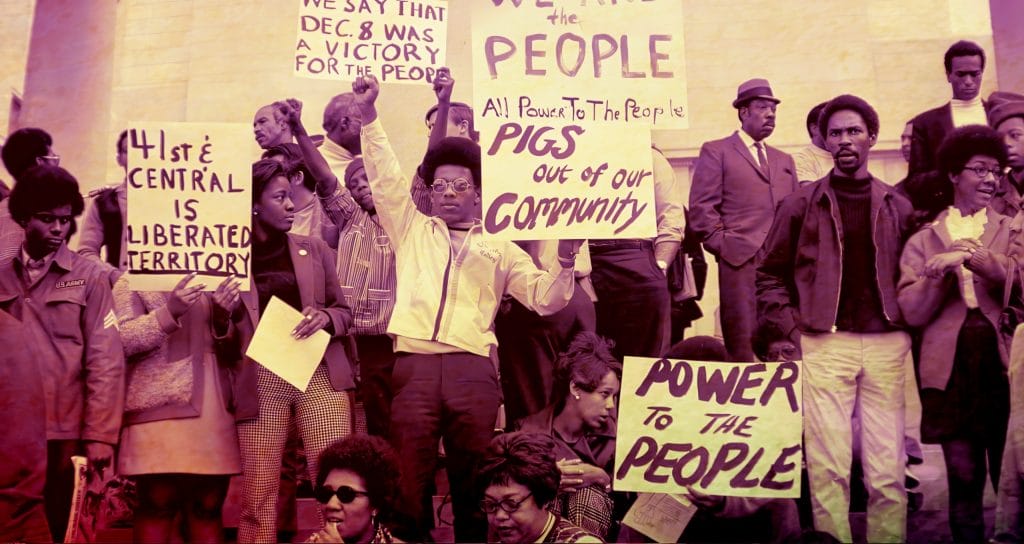
The show’s content ranged widely—from political analysis and civil rights coverage to arts, culture, and everyday social issues. It provided in-depth reporting on topics such as urban poverty, education inequality, and the evolving goals of the Civil Rights Movement in the post–Civil Rights Movement era. By doing so, Black Journal became more than a television program; it was an educational tool that informed viewers about systemic challenges while also highlighting grassroots activism and community resilience. For many African American viewers, the program validated their lived experiences in ways that mainstream media did not.
Equally important was the program’s role in promoting cultural pride and artistic expression. Black Journal frequently featured segments on Black literature, music, and visual arts, offering a national platform to creators who were often excluded from commercial media. This emphasis on culture coincided with the broader currents of the Black Arts Movement, which sought to define a distinctly Black aesthetic and political voice. By showcasing these developments, the program helped reinforce a sense of identity and pride among its viewers.
Politically, Black Journal also contributed to a growing sense of empowerment. The early 1970s were marked by the rise of Black political leadership, increased voter engagement, and debates over strategies for achieving racial equality. The program gave airtime to a range of perspectives, from established civil rights leaders to younger, more radical voices. This diversity of viewpoints encouraged critical thinking and dialogue within the African American community, helping viewers navigate a rapidly changing social and political landscape.
Finally, the significance of Black Journal lies in its legacy. It helped pave the way for future Black-oriented programming and demonstrated that there was both a need and an audience for content created by and for African Americans. In doing so, it challenged the television industry to broaden its scope and acknowledge previously overlooked voices.
Black Journal was a groundbreaking program that reshaped how African Americans saw themselves on television. Through representation, education, and cultural affirmation, it played a vital role in informing and empowering its audience during one of the most dynamic periods in modern American history.
For an example of Black Journal, this episode from April 27, 1970 features background on The Nation of Islam as well as an interview with Elijah Muhammed. There is also a piece on Max Roach and wife Abbey Lincoln and their work in the Black community as well as a piece on Newark New Jersey.
Press Play and dive in.