CBS Radio Unit One Production – The Quacks – 1953
Another memorable example of CBS Radio during that period of the 1950s when media was starting to make the great exodus to Television, and Radio was left scrambling for new ways to capture an audience.
One of the main places were Radio excelled was in the area of news. Most newscasts on Television were cures for insomnia. The anchor primarily reading news to one camera in a studio with the occasional crude graphic put up to break the tedium. Because Radio didn’t rely on visuals, reports could come in from anywhere by way of telephone or Shortwave. Radio still had the ability to cover events on the ground as they were happening. Television at the time could only rely on film, since it wasn’t until the Space race got underway that the concept of Satellite communication was a reality. In the early days it was shooting a story on film, processing the film, or flying the unprocessed film back home (in most cases, New York) to be processed, edited and presented, often days after the event occurred. Radio was immediate and was still the go-to place for information and up-to-the-minute reports.
Even in Radio there were technological advances. When recording tape came into regular use by the late 1940s, the ability to cover a story where it happened, as it happened and under all kinds of circumstances gave Radio the edge. Prior to tape, field reports were done by way of cumbersome (even though they were promoted as “portable”) disc-cutting machines, or the newer Wire Recorders which were often unreliable. Primarily reporters in the field gathered information by way of notes, assembled and delivered over the phone, away from the flashpoint of the news event.
With tape recorders that changed. Reporters were able to record things on the spot; riots, bullets and all. It made for exciting listening and by the early 1950s, tape was the dominating format for news gathering.
So popular was this “as it happens/where it happens” method of reporting, that Radio documentaries took on a whole new life and became high points in daily radio broadcasts, putting CBS at the cutting edge of new technology. This popularity brought on a series of documentary programs that cast the role of Radio in a more information-based light, with entertainment largely abandoning the format, or in many cases letting it use its imagination very often with astonishing results, even if the audience was dwindling.
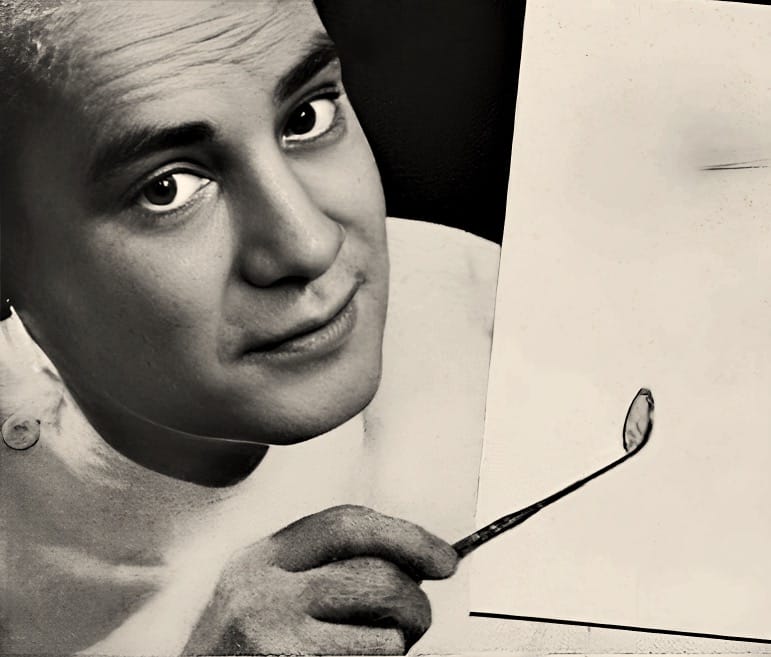
This program, from the Unit One series was the fifth in a series of feature productions done by CBS Radio’s News division. The Quacks took aim at the sham practitioners of cure-all medicines; a lucrative business in the 1950s and one which was perfect for the new technology of tape recording.
Radio was able to do things television couldn’t do at the time, and not for some time to come – clearly it excelled in the area of news and it would continue to be until the internet and cellphone technology came along, being able to do what neither TV nor Radio could do; be everywhere, all the time from as many angles as possible, cultivating a sub-genre of citizen journalists who are able to break stories the exact moment they are happening.
It makes for a very short attention span, which radio has not been able to do. It is doubtful a program like The Quacks would garner much of an audience today – only because it moves so slow. Still it is no excuse for abandoning an entire segment of our culture. But it’s come down to that.
So take your time and enjoy this example of CBS Radio in the 1950s – it’s worth the investment.