In the 1970s until the early 80s, Radio Drama in America was making an attempted comeback. For the most part, a dead issue since the last official day of Daytime Radio serials in 1960, radio was a place of Talk and Music; really nothing else. Ever since Television came into American living rooms, radio started losing ground. The newness and promise of Television created a mass migration to the medium, and the result was plummeting revenue and almost total abandonment by audiences.
Subsequently, Radio drama was relegated to the Nostalgia crowd; those people who clung on to it the same way they would precious heirlooms. It represented the “good old days” – cornerstone points in lives that listening to an episode of “Yours Truly, Johnny Dollar” or the radio version of “The Lone Ranger” could fully complete.
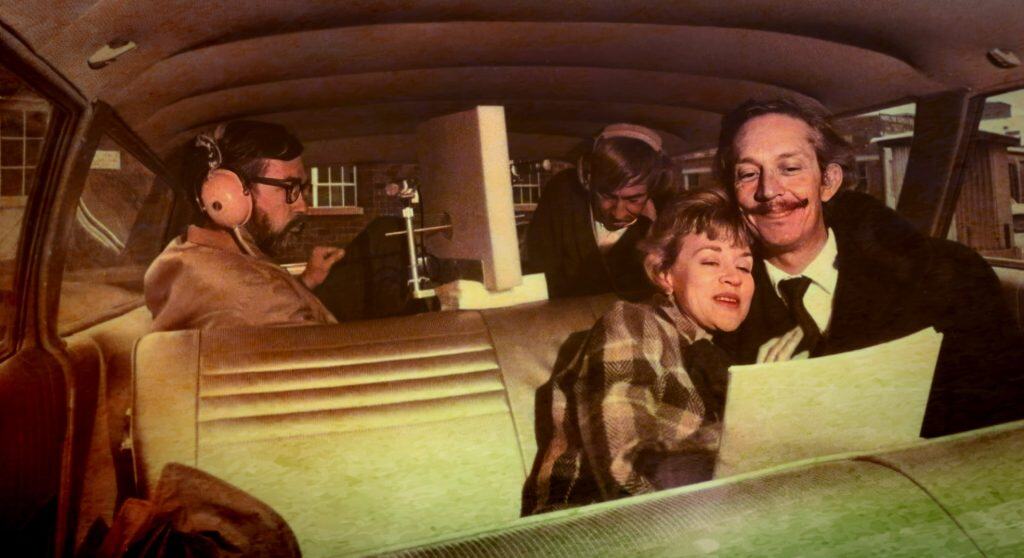
In the early 1970s, and with the advent of Public Radio and a desire to turn what was becoming an instrument of mass marketing into something of a cultural oasis, NPR (National Public Radio) took a chance and developed, through affiliates, an adventuresome series called “Earplay” – it was touted as not so much a “return to the Old Days” as much as a continuation of something that got interrupted in 1960. Create Radio that was not only well-crafted in writing but also well-executed in Sound design.
Many people have said that Earplay was all-stereo and productions were geared to that. However, during the early days (1972-1973) the plays were in mono, with only a few in stereo because most College Radio Stations (who were all subscribers to NPR and created the core audience) were still broadcasting in mono due to budget constraints. It’s when CPB (Corporation For Public Broadcasting) invested in upgrading college radio transmitters and studio equipment that College Radio would be considered state-of-the-art. And Satellite broadcasting was still making inroads with commercial networks – Public radio was still a few years off and most editions of Earplay were released on 12″ lps in box sets and sent by mail to individual stations (with the proviso they be destroyed after two years).
This broadcast of The Photographs by Donald Barthelme was part of the Third Season and also included Act of God by David Windsor from Program 16 from 1974.
I guess you could call this a teaser of what will become several more episodes of this series in the coming months. A little something to get your feet wet if you aren’t already familiar.
Have a listen.