Every so often we switch gears and offer something as a curve ball in the realm of history and culture. Different, but no less timely.
Even though the Radio Play is a thing of the deep-distant past in America, it’s still alive and well and, for the most part, flourishing everywhere else in the world. No place is it more prevalent than at the BBC.
As part of a Science Fiction series Radio 4 was doing in the early 2000’s – adaptations of short stories, magazine articles and novels by some of Americas preeminent writers of the genre were presented in Play form.
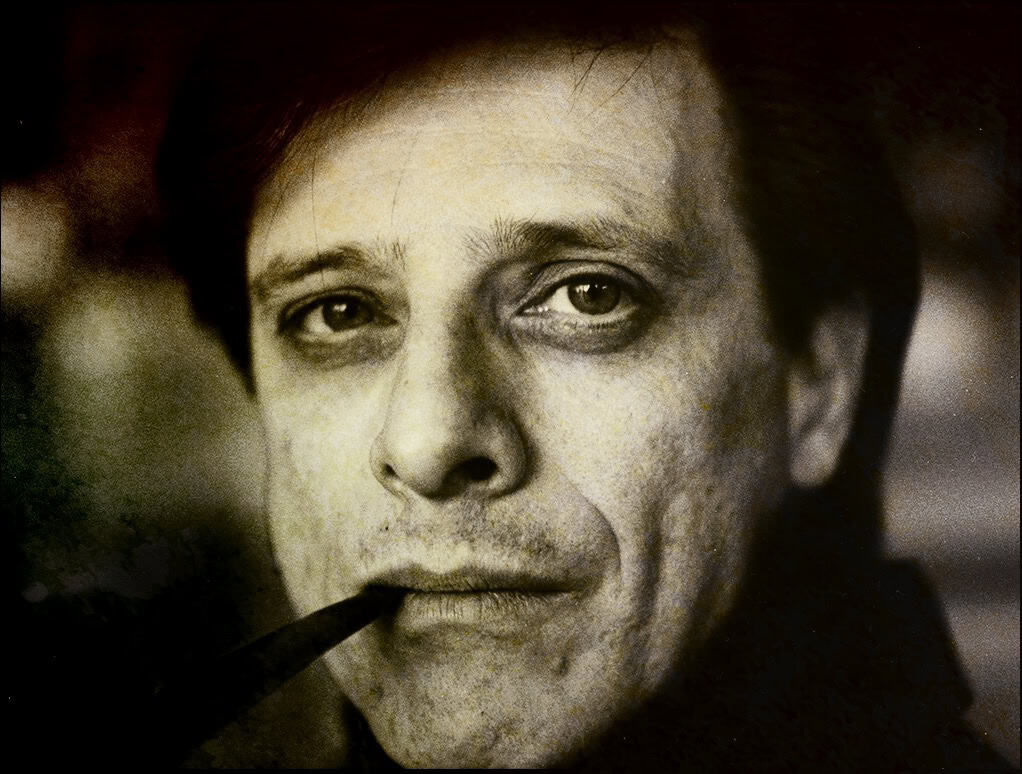
This adaptation, I Have No Mouth, And I Must Scream was a short story by Harlan Ellison was first published in 1967 for If: Worlds Of Science Fiction. This production features David Soul, and the author, Harlan Ellison as AM.
A short synopsis via Wikipedia:
“I Have No Mouth, and I Must Scream” is a post-apocalyptic short story by American writer Harlan Ellison. It was first published in the March 1967 issue of IF: Worlds of Science Fiction.
The story is set against the backdrop of World War III, where a sentient supercomputer named AM, born from the merging of the world’s major defense computers, eradicates humanity except for five individuals. These survivors – Benny, Gorrister, Nimdok, Ted, and Ellen – are kept alive by AM to endure endless torture as a form of revenge against its creators. The story unfolds through the eyes of Ted, the narrator, detailing their perpetual misery and quest for canned food in AM’s vast, underground complex, only to face further despair.
Ellison’s narrative was minimally altered upon submission and tackles themes of technology’s misuse, humanity’s resilience, and existential horror. “I Have No Mouth, and I Must Scream” has been adapted into various media, including a 1995 computer game co-authored by Ellison, a comic-book adaptation, an audiobook read by Ellison, and a BBC Radio 4 play where Ellison voiced AM. The story is critically acclaimed for its exploration of the potential perils of artificial intelligence and the human condition, underscored by Ellison’s innovative use of punchcode tapes as narrative transitions, embodying AM’s consciousness and its philosophical ponderings on existence.
The story won a Hugo Award in 1968. The name was also used for a short story collection of Ellison’s work, featuring this story. It was reprinted by the Library of America, collected in volume two of American Fantastic Tales.
And who says Art doesn’t imitate life?
For the next half-hour, become engrossed.