
Paris By Night- Co-production of Paris Radio/NBC Blue Network and the CBC in Canada – March 21, 1939 – Gordon Skene Sound Collection –
Paris By Night – it probably looked very good on paper, it was an ambitious project and it was a showcase for the technological advances that Communication was undergoing just six months before a War in Europe would break out.
Broadcasting live from Paris and having it picked up via shortwave and broadcast throughout the U.S. by NBC Radio and throughout Canada by The CBC. The premise was simple – a tour of Paris at night, a visit to the hotspots and concert halls for a sampling of what the average Parisian was doing on an average weekend.
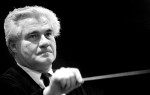
The broadcast starts with a portion of a concert from the Paris Conservatory by the Paris Radio Symphony conducted by the legendary D.E. Inglebrecht in music of Emanuel Chabrier. Great performance, but it’s shortwave and it gets dim and overwhelmed with static mid-way through. Still – a rare broadcast performance by an artist who didn’t record commercially very much during his career. The broadcast continues its way through many of the hotspots in Paris offering up some live nightclub appearances by a whole bevy of French performers and music hall stars of the 1930s.
And then the static, distortion and fading signal cause NBC to abandon the project, at least until the atmospheric conditions improve – which fortunately they do after a fashion. After a musical interlude from New York, the broadcast then picks up with a portion of a vocal recital by Germaine Martinelli and continues for the rest of the hour in sound quality a few notches better, but still far from perfect.
You have to remember this was State of The Art at the time. Communicating directly to Europe via Shortwave was a relatively recent thing, having cut its technological teeth during the Munich Crisis of 1938, a little less than a year earlier. But this was exciting stuff at the time and would be repeated often during the lead-up to the War and would be an essential broadcasting link during World War 2; bringing the war closer to home and perfecting on-the-scene accounts.
If you can get past the interruptions and the sudden disappearance of the broadcast entirely, it’s a fascinating document and certainly one which offers a tantalizing glimpse into the concert halls of Europe in the 1930s and an early attempt at making the world a bit smaller.
Here is that broadcast as it happened on March 21, 1939.