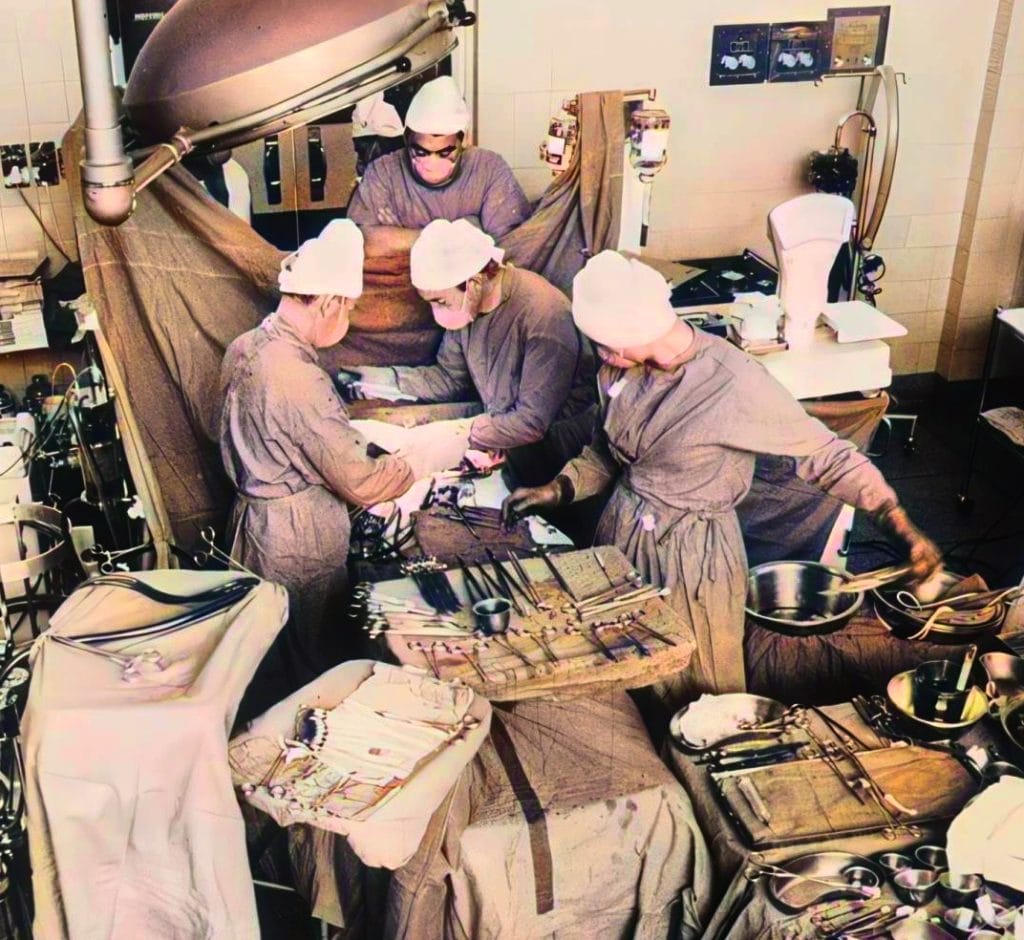
Historic moments from 1967 – The first Human Heart transplant, which took place on December 3, 1967 at a hospital in Cape Town, South Africa.
Surgeons removed the heart of a young who died after an automobile crash and placed it woman in the chest of a 55-year-old man dying ! because his own heart was damaged, the announcement said. When the transplanted heart was in place, it was started beating by an electric shock. Dr. Jan H. Louw, the hospital’s chief surgeon, said, “It was like turning the ignition switch of a car.” Groote Schuur Hospital said the man was in satisfactory condition late Sunday but that the next few days would be a critical period. The heart was removed from the body of Denise Ann Darvall, 25, an accounting machine operator at a bank, and transferred to Louis Washkansky, a Lithuanian-born businessman, the hospital said. Washkansky was reported fully conscious and in very satisfactory condition after the five-hour operation that ended at 6 a.m. The announcement said his blood pressure was normal by Sunday afternoon. In the first stage of the heart transplant operation, both Washkansky and the body of Miss Darvall were put on heart-lung machines, each manned by a team of technicians. In the second stage, the donor’s heart was removed and the circulation of her heart, once it was taken out, was kept going by a pump. The third stage was the removal of Washkansky’s heart. The fourth and most intricate operation was the placing of the donor’s heart in Washkansky’s body. When the transplant was completed, electrodes were placed against the heart walls, and a high current was switched on for a fraction of a second.
The heart started beating immediately, said Dr. Louw. Surgeons at California’s Stanford Medical Center have been reported by the Journal of the American Medical Association to be ready for a heart transplant whenever thedeal donor and ideal recipient appear there at the same time. Animal heart transplants have been successful at that center. Hospital sources at Groote Schuur Hospital said the transplant for Washkansky nearly took place last Wednesday with another donor but was canceled at the last moment because the donor died too soon. Miss Darvall’s kidneys also were removed and taken to Cape Town’s Karl Bremer Hospital for a successful kidney transplant to Jonathan Van Wyk, 10. The announcement of the transplant to Washkansky came from Dr. Jacobus G. Burger, medical supervisor of the Groote Schuur Hospital. operation was his only chance,” Dr. Burger said. “Washkansky was dying and wouldn’t have lived longer than a few days otherwise.” Dr. Burger said the next two or three days would be the critical postoperative period. “The longer Washkansky goes on, the better,” he said, “although that does not mean the heart will not be rejected later. The body could decide in five or 10 years’ time that it doesn’t want this heart.” Washkansky has a tracheotomy – a tube inserted in his throat through which he is breathing and is unable to speak, Dr. Burger said. He is being kept absolutely quiet in a special room.
“Even the nurses don’t speak to him,” he added. “They are doing everything for him and keeping him dead quiet.” Dr. Burger said that apart from the body’s natural from blood clotting and resultant heart failure. tendency to reject the heart, the main. danger could come, Washkansky is being fed anticlotting drugs.
“We are also using steroids to prevent the heart being thrown out [rejected],” Dr. Burger said. He said Washkansky had been kept alive by using pumps to assist his heart, but that could not have gone on indefinitely. “The heart muscle was fibrosed, which means that all all the muscle was gone and there was only fibrous tissue there,” the doctor said. “It wouldn’t pump the blood any more, and his condition was deteriorating.” “We thought he was dying a week ago, and he would have died immediately if we had taken the pumps away.
“Washkansky knew what he was going into, but it was his only chance.” Heading the team of five cardiac surgeons was Prof. Chris Barnard. Dr. Louw assisted with arrangements and advised the surgeons, although he was not actually operating. Dr. Barnard is one of the professors in Louw’s department. In addition to the cardiac surgeons, there were two neurosurgeons and two anesthetists. Altogether there were about 20 in the theater, including five or six theater nurses, Dr. Burger said. All the surgeons were South Africans.
The Woman donor was injured fatally in an auto accident Saturday afternoon. Neurosurgeons, with an elec- cardiac surgeons the instant she died, shortly before 1 a.m., and the operation began immediately. Consent had been obtained from her father to use her troencephalogram to measure her brain waves, alerted the heart.
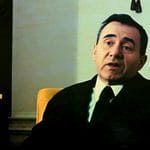
Here is a documentary and an interview with Dr. Christian Barnard, conducted shortly after the milestone surgery. It was produced by Radio South Africa International in December of 1967.