Nicholas Johnson – Discussion on the current state of affairs in the Media – March 9, 1973 – Gordon Skene Sound Collection –
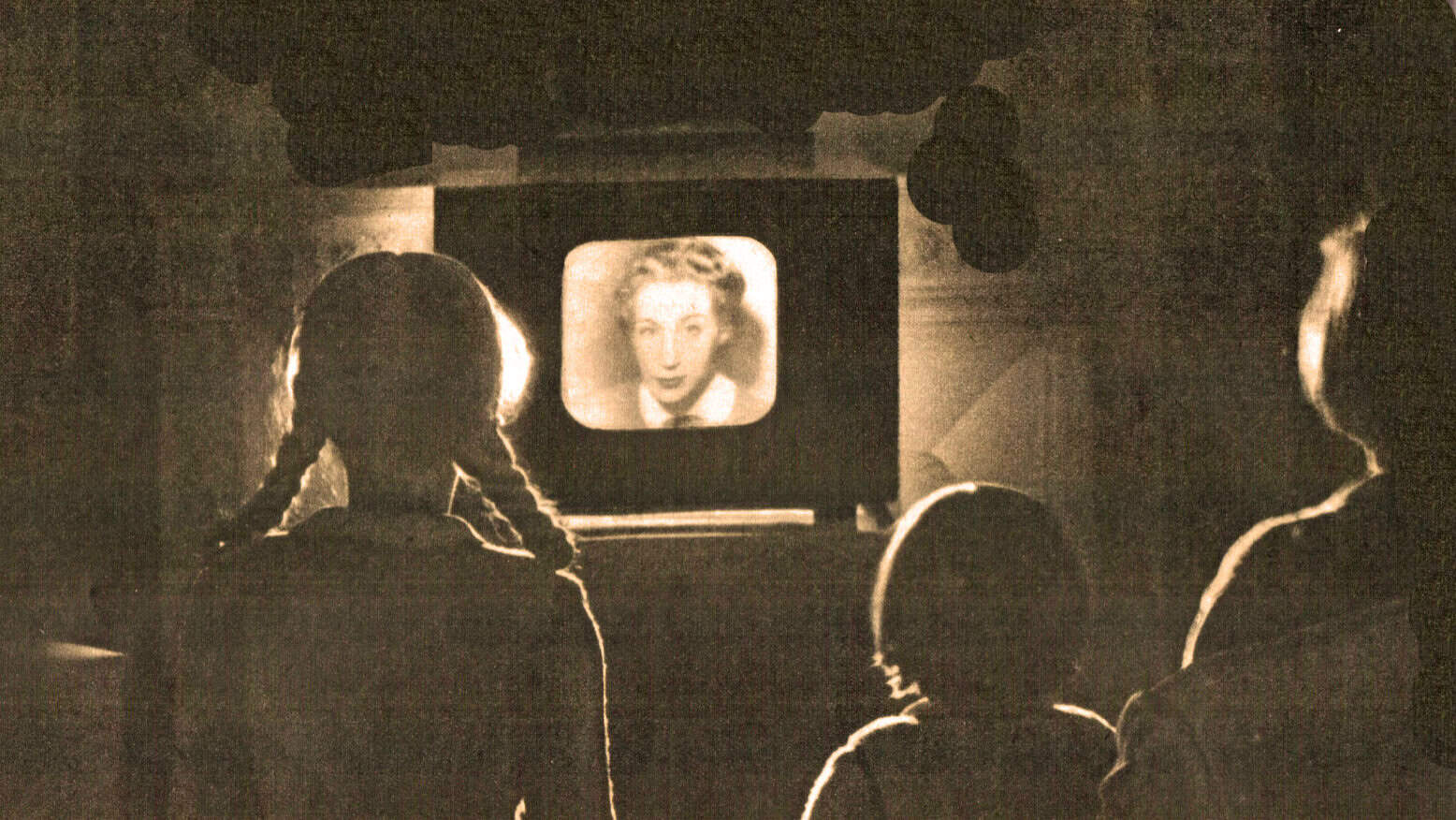
Television; the great promise of wonderful things through communication in the late 1940s. By the mid-fifties, a promise largely ignored. By the 1960’s, FCC Chairman Newton Minow issued his Vast Wasteland edict. By the 1970s Television was undergoing another metamorphosis by way of de-regulation. Those guidelines initially carved in stone in the 1930s, when then-fledgling Radio was in danger of falling off its own particular pedestal of promises was now in danger of selling itself out to America as a mouthpiece for crass commercialism. The FCC came into being and immediately set forth a series of laws and practices which effectively put a damper on turning radio into a minefield of low-common denominator and mass exploitation, for a time.
By the late 1940s, Radio was losing its grip on the public – a new medium was evolving, bringing with it a whole new set of obstacles and problems which, by the 1960s prompted then-FCC Chairman Newton Minow to decry the state of media and to attempt some alternative in the guise of Public Broadcasting. It wound up becoming a double-edged sword in a way. Having a place where Education, Arts and non-commercial programming flourished, it took much of the pressure off the mainstream channels to fulfill their obligations to Public interest since, as many asserted, Public Broadcasting (or later to be known as PBS) was taking care of that set of obligations which were deemed to be outdated and no longer relevant. By the 1970s the movement was already afoot to pull the teeth out of the FCC by way of de-regulation of ownerships and obligations to Public Interest during the Nixon years. By the time the Reagan Administration took over in the 1980s, de-regulation was in full swing – with news departments at most all the major networks being folded into Entertainment Divisions, no longer the sacred domain of journalists and hard news, News was now considered entertainment, beholden to “the bottom line” and subjected to massive budget cuts rendering News departments subject to layoffs and bureaus to be shut as cost-saving measures. Restrictions on ownership were relaxed to the point that multi-national corporations could now acquire networks, and many networks were broken up and parceled off.
But the dire events of the 1980s weren’t in full-swing during the time Nicholas Johnson was FCC Chairman. Johnson was considered by many to be a radical, determined to add teeth to FCC powers, not rendering them ineffective. But the role of FCC Chairman was/is a five-year term and Johnson’s began under LBJ and ended during the Nixon Presidency.
This address from Nicholas Johnson on Television and the media is as it was viewed from the perspective of 1973, certainly a far cry from what it became 50 years later. But you get some idea that communication has been an issue of importance for a very long time and how it has been affecting America and its sources of information is probably in more of a crisis mode now than it has ever been in our history.
Many of you may listen to this address and become wistful over the “good old days” of broadcasting – but even 50 years ago we had our worries. Perhaps what we were fearing then has come to fruition now. I think it’s a safe guess that it has.
Here is that address as delivered by FCC Chairman Nicholas Johnson on the state of Television and Media as it stood in 1973.
And while you’re here . . .you know we don’t run ads – stopped running them more than a few years ago. The ads were noisy and pretty awful and they were a huge distraction, having to wade through a lot of useless barking in order to get to the good stuff. But we still have to pay the bills, and there’s a ton of them and they don’t like to wait. And so we ask you consider becoming a subscriber and support all the stuff we do every day by kicking in what amounts to being an Americano Grande every month to be part of the solution and not the problem. In todays bizarre economy it ain’t much – but it means a ton to Past Daily. All you have to do (and we make this as simple and pain-free as possible) is head over to Patreon (that red box just below that says “Become A Patron” that you click on) and check us out. You can do 7 days free just to kick the tires and take a test drive. And if you like us, hit the subscribe button and become part of our rather haywire little family. Not bad, considering we just want you to like us.